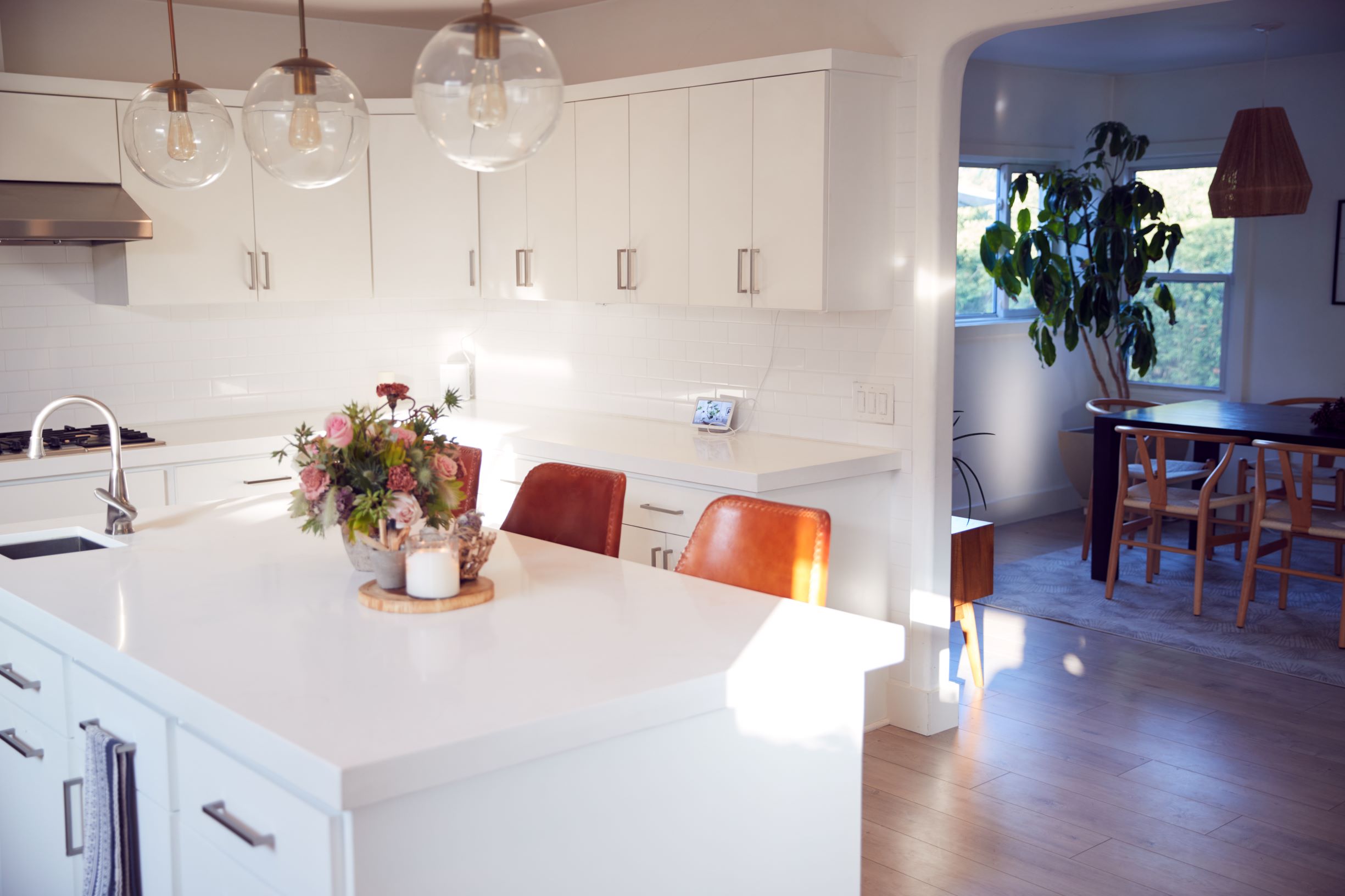
A kitchen remodel is one of the most impactful upgrades you can make in a home. It improves daily functionality, enhances comfort, increases property value, and transforms the overall look and feel of your living space. Whether you are planning a minor refresh or a full-scale renovation, understanding the process from start to finish helps you make smarter decisions and avoid costly mistakes.
This guide walks you through everything you need to know about kitchen remodeling—planning, design, materials, layouts, costs, process, trends, and expert advice.
Why Kitchen Remodeling Matters
The kitchen is often called the heart of the home because it is where meals are prepared, conversations happen, and families gather. Over time, however, kitchens become outdated, inefficient, or worn out.
A well-planned kitchen remodel can:
- Improve cooking and movement efficiency
- Increase storage and organization
- Enhance energy efficiency with modern appliances
- Improve safety and lighting
- Increase home resale value significantly
Even small upgrades can make a big difference in how your kitchen feels and functions.
Planning Your Kitchen Remodel
Defining Your Goals
Before starting any renovation, it is important to clearly define what you want to achieve. Common goals include:
- Improving storage space
- Updating outdated design
- Creating an open layout
- Adding an island or breakfast bar
- Increasing home value for resale
Clear goals help guide every decision that follows.
Setting a Realistic Budget
Budget is one of the most important parts of remodeling. Costs vary depending on size, materials, and labor.
A general breakdown:
- Small remodel: cosmetic updates (paint, fixtures, hardware)
- Mid-range remodel: new cabinets, countertops, appliances
- High-end remodel: full redesign with structural changes
A smart budget also includes:
- 10–15% contingency for unexpected expenses
- Design and labor costs
- Permit fees (if required)
Timeline Expectations
Kitchen remodeling timelines vary:
- Minor updates: 1–3 weeks
- Mid-level remodel: 4–8 weeks
- Full renovation: 2–4 months
Delays can happen due to material availability or structural changes, so planning ahead is essential.
Popular Kitchen Layouts
The layout determines how efficiently your kitchen works.
L-Shaped Kitchen
Best for open spaces. It provides flexibility and allows for a dining area.
U-Shaped Kitchen
Offers maximum counter space and storage. Ideal for larger kitchens.
Galley Kitchen
Efficient for small spaces with parallel counters.
Open-Concept Kitchen
Connects kitchen with living or dining area for a modern feel.
Island Kitchen
Includes a central island for cooking, storage, and seating.
Each layout should support the “work triangle”—sink, stove, and refrigerator placement.
Kitchen Design Styles
Choosing a design style helps unify your entire space.
Modern Kitchen
Clean lines, minimal design, neutral colors, and handleless cabinets.
Traditional Kitchen
Warm tones, detailed woodwork, and classic cabinetry.
Farmhouse Style
Rustic charm with natural materials and open shelving.
Transitional Style
A balance between modern simplicity and traditional warmth.
Minimalist Style
Clutter-free design with hidden storage and simple aesthetics.
Essential Kitchen Remodeling Components
Cabinets
Cabinets define both appearance and storage capacity.
Options include:
- Stock cabinets (budget-friendly)
- Semi-custom cabinets
- Fully custom cabinets
Modern trends focus on:
- Soft-close drawers
- Hidden handles
- Floor-to-ceiling storage
Countertops
Countertops are both functional and decorative.
Popular materials:
- Quartz (durable and low maintenance)
- Granite (natural beauty)
- Marble (luxury look but requires care)
- Butcher block (warm, natural feel)
Flooring
Kitchen flooring must handle heavy use.
Best options:
- Ceramic or porcelain tile
- Luxury vinyl plank (water-resistant and affordable)
- Hardwood (classic but requires maintenance)
Backsplash
Backsplashes protect walls and add personality.
Popular choices:
- Subway tile
- Mosaic patterns
- Full slab stone backsplash
- Bold colored tiles for accent designs
Appliances
Modern kitchens use energy-efficient and smart appliances:
- Smart refrigerators
- Induction cooktops
- Built-in ovens
- Quiet dishwashers
Stainless steel remains the most popular finish.
Lighting Design in Kitchens
Lighting affects both function and mood.
Types of Lighting
- Ambient lighting: general illumination
- Task lighting: focused work areas
- Accent lighting: decorative effect
Popular Fixtures
- Pendant lights over islands
- Under-cabinet LED strips
- Recessed ceiling lights
Proper lighting improves safety and enhances design.
Kitchen Remodeling Process Step-by-Step
1. Planning and Consultation
Define needs, budget, and design direction.
2. Design Phase
Work with professionals or designers to finalize layout and materials.
3. Material Selection
Choose cabinets, countertops, flooring, and fixtures.
4. Demolition
Old kitchen elements are removed safely.
5. Structural Work
Plumbing, electrical, and possible wall changes.
6. Installation
Cabinets, flooring, countertops, and appliances are installed.
7. Finishing Touches
Paint, lighting, hardware, and final adjustments.
8. Final Inspection
Ensure everything is functional and properly installed.
Kitchen Remodeling Costs Explained
Costs depend on size, materials, and labor.
Typical ranges:
- Basic remodel: $10,000–$25,000
- Mid-range remodel: $25,000–$60,000
- High-end remodel: $60,000+
Cost factors include:
- Cabinet quality
- Countertop material
- Appliance upgrades
- Labor and design fees
Common Kitchen Remodeling Mistakes to Avoid
- Ignoring workflow and layout efficiency
- Underestimating total budget
- Choosing style over functionality
- Poor lighting planning
- Not enough storage space
Careful planning helps avoid these issues.
Expert Tips for a Successful Remodel
- Always prioritize functionality first
- Invest in durable materials
- Keep future resale value in mind
- Use neutral base colors for long-term appeal
- Work with experienced professionals
Benefits of Kitchen Remodeling
A kitchen renovation provides long-term advantages:
- Higher home value
- Better energy efficiency
- Improved organization
- Enhanced cooking experience
- Modern and attractive design
(FAQs)
What is a reasonable budget for a kitchen remodel?
A reasonable budget depends on the size and scope of work. On average, homeowners spend between $25,000 and $60,000 for a mid-range kitchen remodel. Small updates can cost less, while luxury renovations can exceed $100,000.
What is the 3×4 kitchen rule?
The 3×4 kitchen rule refers to an efficient kitchen layout principle where key work areas (sink, stove, and refrigerator) are placed within a close triangular distance. This improves movement flow and reduces unnecessary steps while cooking.
What will all new kitchens look like in 2026?
In 2026, kitchen design trends are expected to focus on:
- Smart technology integration
- Minimalist and handleless cabinets
- Sustainable materials
- Hidden storage solutions
- Warm, natural color palettes
- Multi-functional kitchen islands
What is the first thing to do when remodeling a kitchen?
The first step in remodeling a kitchen is planning. This includes setting goals, determining budget, and understanding the layout you want before selecting materials or starting construction.
Conclusion
Kitchen remodeling is a powerful investment that enhances both lifestyle and property value. From layout planning and material selection to lighting and installation, every detail plays an important role in the final outcome.
A successful remodel requires careful planning, realistic budgeting, and the right professional support. Working with experts like DCB Construction LLC ensures that your kitchen renovation is handled with quality craftsmanship, attention to detail, and long-lasting results.
With the right approach, your kitchen can become a modern, efficient, and beautiful space that truly transforms your home.