
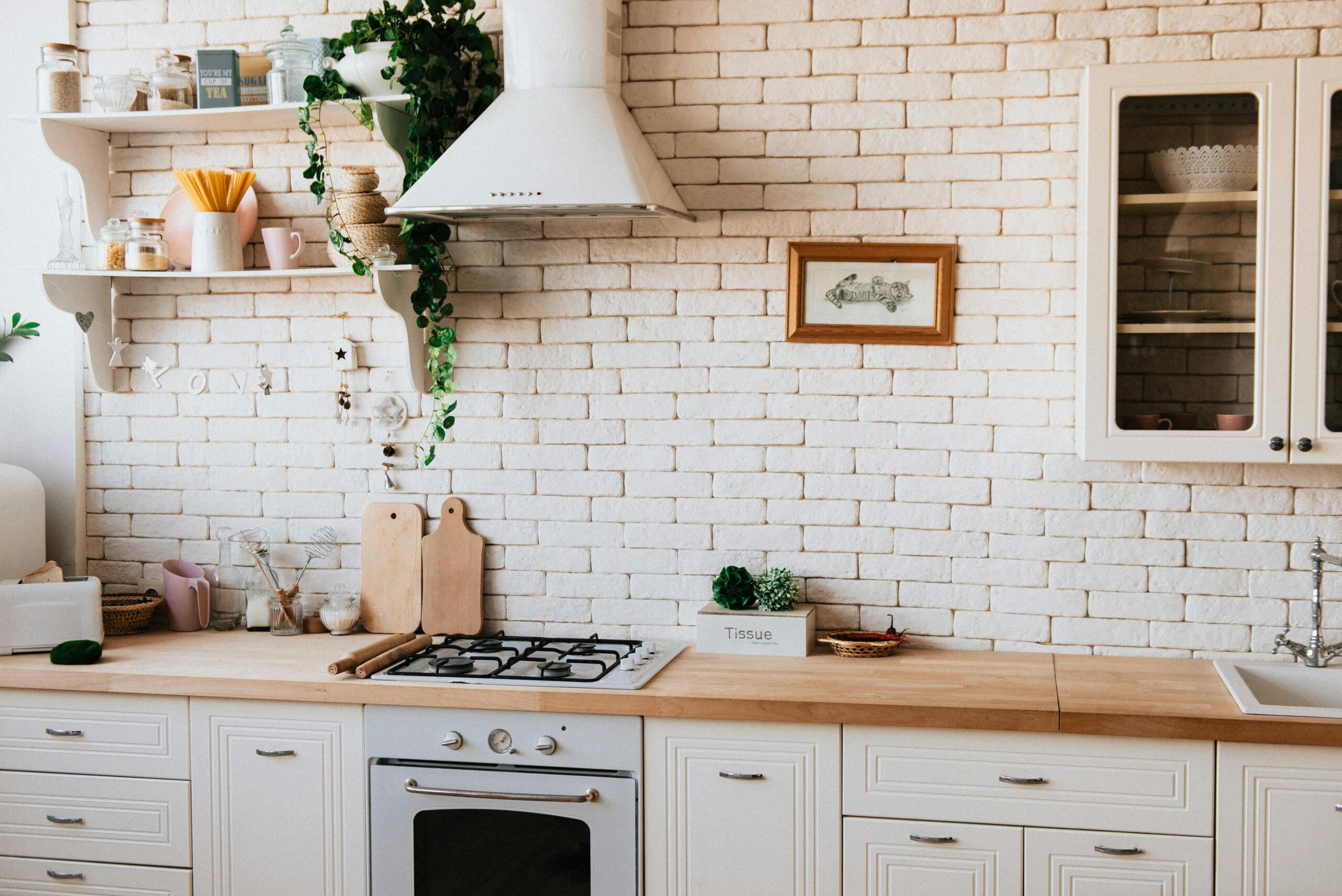
Remodeling a small kitchen can seem like a daunting task. Limited space, outdated layouts, and budget constraints often leave homeowners unsure about how to transform their kitchens into functional, stylish, and valuable spaces. Yet, a well-planned small kitchen remodel can dramatically improve your cooking experience, optimize storage, and even increase your home’s resale value. In this comprehensive guide, we will walk through every aspect of small kitchen remodeling—from planning and design strategies to cost considerations and practical solutions—so you can maximize both functionality and value.
Understanding Small Kitchen Challenges
Before diving into solutions, it’s essential to understand the challenges unique to small kitchens. Recognizing these pain points allows homeowners to plan effectively and make remodeling decisions that truly improve the space.
1. Limited Space
Small kitchens often lack sufficient counter space, storage, and movement areas. Without careful planning, remodeling can worsen this issue, creating a cramped and inefficient environment.
2. Poor Lighting
Many small kitchens suffer from inadequate lighting. Dark cabinets, narrow layouts, or small windows can make a kitchen feel even smaller and less inviting.
3. Inefficient Layout
A small kitchen with a poorly planned layout can cause constant frustration during meal preparation. If the refrigerator, sink, and stove are not strategically placed, cooking becomes inconvenient and time-consuming.
4. Budget Constraints
Homeowners often worry that remodeling—even small kitchens—will break the bank. Balancing quality, style, and cost is a common concern.
5. Outdated Design
Old appliances, worn-out cabinetry, and dated finishes reduce both the kitchen’s appeal and the overall home value. A lack of modern aesthetics can make even functional kitchens feel uninspiring.
6. Storage Limitations
Small kitchens frequently struggle with storage, leaving homeowners with cluttered countertops and inadequate organization options.
Understanding these challenges is the first step toward a successful remodel. The following sections focus on practical solutions for each of these common pain points.
Planning Your Small Kitchen Remodel
Planning is critical for small kitchen remodels. Without a clear plan, projects can exceed budgets and timelines while failing to deliver the desired functionality and aesthetic improvements.
Assess Your Current Kitchen
- Measure every corner of your kitchen.
- Identify the locations of essential appliances, plumbing, and electrical outlets.
- List the areas that need improvement—counter space, storage, lighting, or layout.
Set Your Budget
- Determine how much you are willing to invest.
- Allocate funds for major expenses like cabinetry, countertops, and appliances, while reserving a portion for unexpected costs.
Prioritize Must-Haves
- Decide which upgrades are essential versus optional. For example, installing a new sink may be more important than replacing the flooring if your budget is limited.
Understand Local Codes and Permits
- Some remodeling tasks may require permits, such as moving plumbing or electrical systems.
- Check local regulations to avoid costly fines or delays.
Plan for ROI
- Consider how your remodel will affect your home’s value.
- Focus on changes that maximize functionality and appeal, rather than purely decorative updates.
Space-Saving Design Ideas
Making the most of limited space is the cornerstone of small kitchen remodeling. Smart design choices can turn cramped areas into efficient, open, and organized kitchens.
1. Cabinet Solutions
- Pull-Out Pantries: Ideal for narrow spaces, pull-out pantries maximize storage without taking up extra room.
- Corner Carousels: Transform awkward corner cabinets into easily accessible storage.
- Vertical Cabinets: Use the full height of the kitchen for storage, including above appliances and counters.
2. Compact Appliances
- Choose slimmer refrigerators, narrow dishwashers, or combination microwave-oven units to save space.
- Multi-functional appliances reduce the number of individual devices, freeing up counter space.
3. Open Shelving & Wall Storage
- Open shelves can store frequently used items while keeping them accessible.
- Wall-mounted racks for pots, pans, or utensils free up cabinet space.
- Hooks under cabinets for mugs or kitchen tools can maximize unused areas.
4. Optimized Layouts
- L-shape Layouts: Perfect for corner kitchens, allowing free movement and workspace.
- Galley Kitchens: Efficient for narrow kitchens; keeps everything within reach.
- U-shape Layouts: Provides maximum counter space and storage in compact areas.
Lighting and Color Strategies
Small kitchens often feel confined. Effective lighting and color choices can make these spaces feel open, bright, and welcoming.
1. Natural Light
- Maximize the use of windows, skylights, or glass doors.
- Avoid heavy drapes; opt for light-filtering blinds or shades.
2. Artificial Lighting
- Under-Cabinet Lighting: Illuminates countertops and work areas.
- Pendant Lighting: Adds style and functional light over islands or eating areas.
- Recessed Lighting: Provides overall brightness without crowding the ceiling.
3. Color Choices
- Light colors, including white, soft gray, or pastel shades, reflect light and make kitchens appear larger.
- Glossy finishes on cabinets or backsplashes enhance the reflective effect.
- Contrasting accents (like darker countertops with light cabinets) add depth and visual interest.
Material Choices for Maximum Value
Selecting the right materials balances cost, durability, and aesthetics. Here’s a breakdown of popular options:
1. Countertops
- Quartz: Durable, low maintenance, and available in a variety of colors.
- Granite: Adds luxury appeal; heat and scratch-resistant.
- Laminate: Budget-friendly, available in many designs that mimic stone.
2. Cabinets
- Solid Wood: Classic and durable but higher cost.
- MDF or Plywood: Affordable and versatile with various finishes.
- Modern Finishes: Matte, glossy, or two-tone styles suit contemporary kitchens.
3. Flooring
- Vinyl Plank: Affordable, water-resistant, and durable.
- Tile: Long-lasting, easy to clean, and customizable in design.
- Engineered Wood: Offers warmth and style with better moisture resistance than solid wood.
4. Backsplash
- Subway Tile: Timeless and versatile.
- Glass or Mirror: Creates an illusion of space.
- Eco-Friendly Options: Recycled glass or sustainable materials appeal to modern homeowners.
Functional Upgrades
Even in small kitchens, practical upgrades improve efficiency, storage, and everyday convenience.
1. Multi-Functional Kitchen Island
- Provides additional prep space, storage, and seating.
- Can include pull-out drawers or cabinets for compact appliances.
2. Smart Storage Solutions
- Drawer Organizers: Maximize storage efficiency.
- Hidden Compartments: Utilize unused spaces, like toe-kicks, for pantry items.
3. Energy-Efficient Appliances
- Reduce long-term utility bills.
- Modern appliances often add perceived value to the home.
- Look for ENERGY STAR-certified options.
Cost Considerations and ROI
Understanding the financial aspects of a small kitchen remodel ensures you invest wisely.
Average Cost Range
- A basic small kitchen remodel typically ranges between $10,000–$25,000 depending on materials, appliances, and labor.
- High-end remodeling can go beyond $30,000, especially with custom cabinetry and luxury finishes.
Value Addition
- A small kitchen remodel can increase home resale value by up to 70–80% of the project cost, particularly if it improves functionality and visual appeal.
Budget Tips
- Partial Remodels: Focus on cabinets, countertops, and lighting if full-scale renovation exceeds your budget.
- DIY-Friendly Upgrades: Painting cabinets, adding shelves, or changing hardware can save significant labor costs.
Common Mistakes to Avoid
Avoiding common pitfalls ensures your small kitchen remodel is both functional and stylish.
- Overcrowding with appliances or furniture.
- Ignoring ergonomics and workflow.
- Choosing trends over timeless functionality.
- Skipping planning or ignoring local codes and permits.
- Focusing on aesthetics at the expense of storage or usability.
FAQs
1. How much does a small kitchen remodel cost?
- Typically, $10,000–$25,000 for basic renovations; high-end remodels may exceed $30,000. Cost depends on materials, labor, and appliances.
2. Which kitchen layout works best for small spaces?
- L-shape, galley, and U-shape layouts are most efficient for limited spaces.
3. What are the most budget-friendly ways to remodel a small kitchen?
- Painting cabinets, updating hardware, installing laminate countertops, and choosing energy-efficient but affordable appliances.
4. How can I make a small kitchen feel larger?
- Use light colors, maximize natural light, add reflective surfaces, and minimize clutter with smart storage solutions.
5. Do small kitchen remodels add value to my home?
- Yes. Functional, modern kitchens appeal to buyers and can recoup 70–80% of the remodeling cost in increased home value.
Conclusion
A small kitchen remodel doesn’t have to be overwhelming or expensive. With strategic planning, smart layouts, efficient storage, and thoughtful material choices, homeowners can transform cramped, outdated spaces into functional, stylish kitchens that add maximum value. Focusing on light, space, and efficiency ensures that every inch of the kitchen is utilized effectively.
By addressing common pain points, avoiding mistakes, and investing in upgrades that offer both practicality and aesthetic appeal, your small kitchen remodel can become one of the most rewarding home improvement projects—both for daily living and for long-term property value.